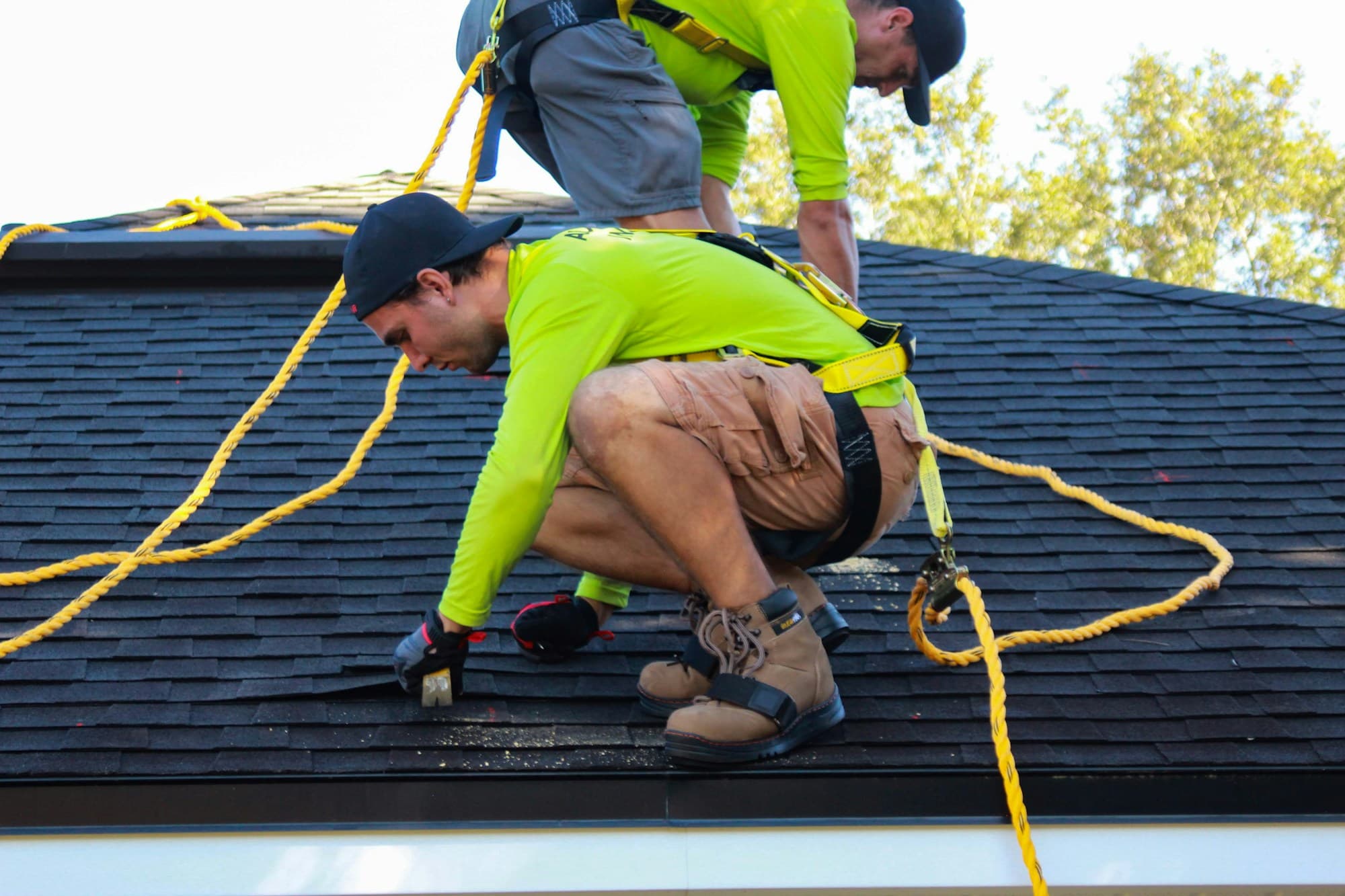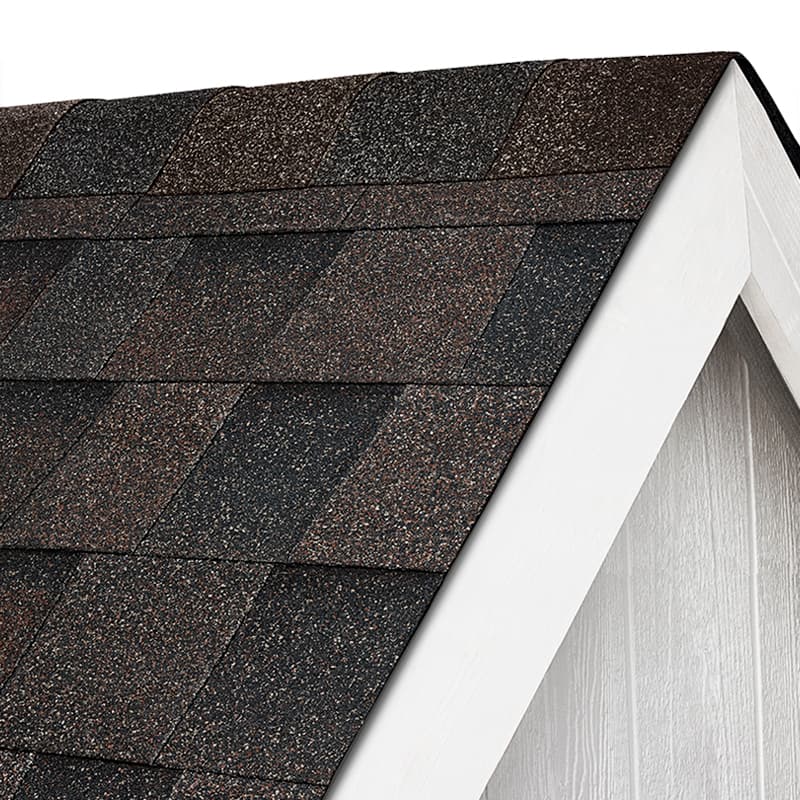
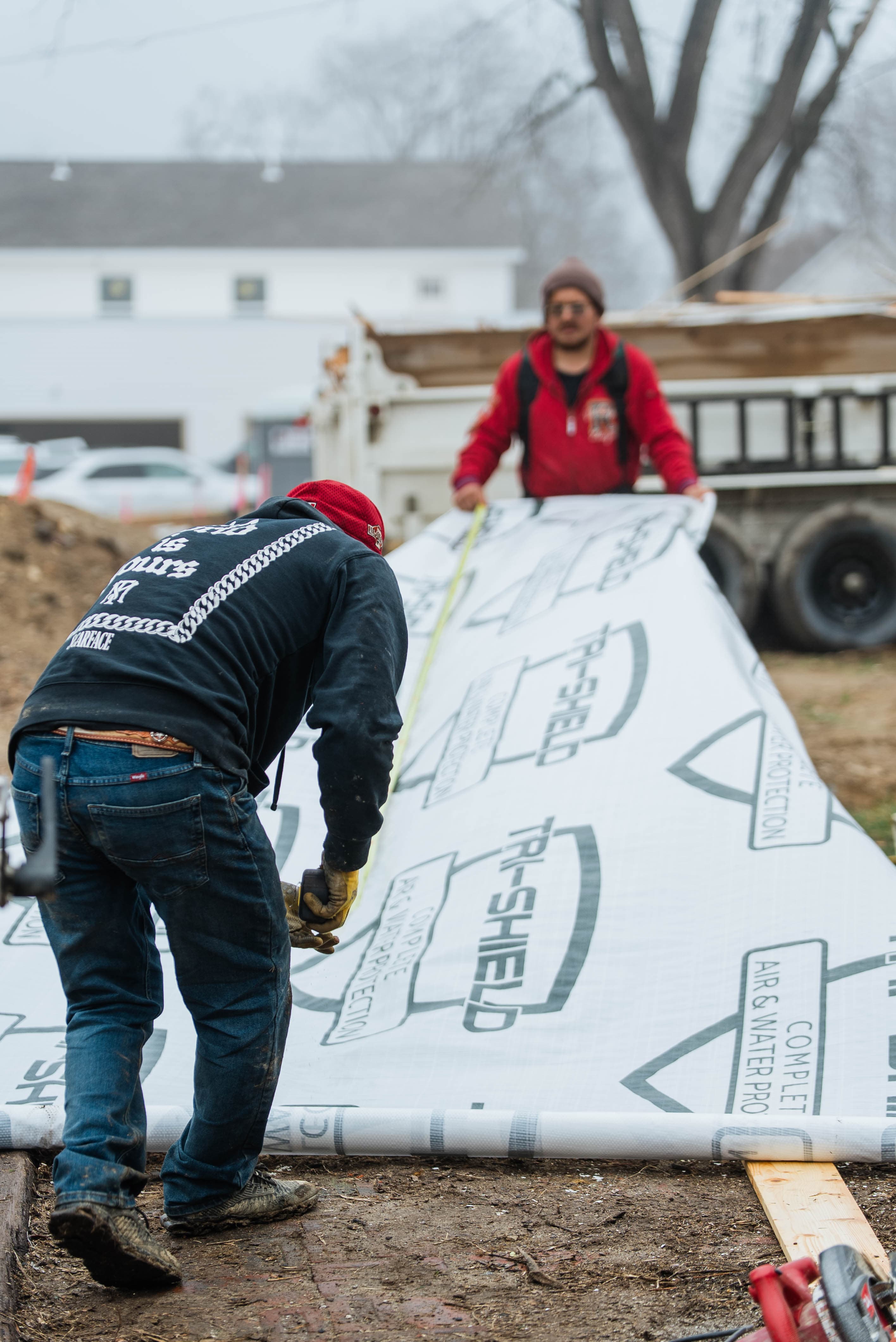
Mild temperatures and dry weather make fall the ideal season for a roof replacement. Here's why you shouldn't wait until spring.
If you're planning a roof replacement, timing matters more than most homeowners realize. While we install roofs year-round in Indiana, fall is hands-down the best season to get the job done. Here's why.
Asphalt shingles need warm enough temperatures to seal properly — the adhesive strips activate in heat. Fall in Indiana typically offers temperatures in the 50–70°F range, which is perfect. Too hot and the shingles can be damaged during installation; too cold and they won't seal correctly.
Indiana's fall weather is generally drier and more predictable than spring, which means fewer rain delays and faster project completion. Spring storms can push a 2-day job into a week-long ordeal.
A new roof before winter means you're protected from ice dams, heavy snow loads, and freezing rain. Waiting until spring means gambling with your home's protection through the harshest months of the year. (If you're seeing warning signs of an aging roof right now, fall is the season to act.)
Spring is peak roofing season — everyone who put off their roof during winter is calling at once. Fall tends to be less hectic, which means better scheduling flexibility, more attention to your project, and sometimes better pricing.
If your roof was damaged by a summer storm, most insurance policies require claims to be filed within a year. Getting the work done in fall ensures you meet your deadline and have a solid roof before winter hits. Our insurance claim walkthrough covers the steps.
Don't wait for spring. Schedule a free fall roof inspection.
5 warning signs you need a new roof — How to file a roofing insurance claim — Our roofing services — Get a free roofing estimate
Get a free, no-obligation estimate from Northern Indiana's most trusted contractor.