Cracked, heaving driveways and patios usually trace back to one thing: what happened before the pour. Here's how proper prep keeps concrete flat and crack-free through Northern Indiana's freeze/thaw cycles.
Concrete is one of the most durable building materials there is — but in Northern Indiana, we see plenty of cracked, heaved, and crumbling driveways and patios. Almost always, the problem isn't the concrete itself. It's what happened (or didn't happen) before the pour. Here's what actually causes concrete to fail in our climate, and how to prevent it.
Indiana winters swing above and below freezing constantly. Water seeps into the ground and into tiny pores in the concrete, then expands as it freezes — roughly 9% by volume. Repeat that dozens of times a winter and you get cracking, surface scaling, and slabs that heave and settle unevenly. The fix isn't fighting physics; it's building the slab so water can't undermine it.
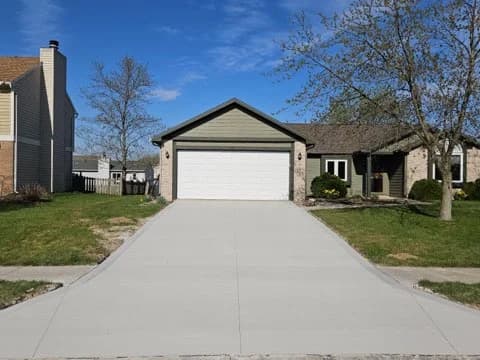
Most failures trace back to the base. A concrete slab is only as stable as what's under it. We excavate to the right depth, then grade and compact a proper aggregate base that drains water away instead of trapping it under the slab. Pouring on loose or poorly-drained ground is the single most common reason driveways crack and settle within a few years.
Steel rebar or fiber reinforcement holds concrete together as the ground moves with temperature swings. It won't stop every hairline crack — concrete is going to move — but it keeps small cracks from becoming structural failures and keeps slab sections from drifting apart.
Concrete will crack; the trick is controlling where. Control joints are intentional grooves cut at planned intervals so that when the slab shrinks and shifts, it cracks neatly along the joint instead of randomly across the surface. Proper joint spacing is part of the plan before we ever pour.
We use a high-strength mix suited to the application, finish it properly, and seal it. Sealing slows water absorption — the root of freeze/thaw damage — and helps the surface resist salt, scaling, and stains. Re-sealing every few years is the simplest thing a homeowner can do to extend the life of their concrete.
Often, yes. If the slab is structurally sound, cracks and settling can be repaired and the surface resurfaced for a fresh look at a fraction of replacement cost. If the base has failed, though, patching only buys time — and we'll tell you honestly which situation you're in.
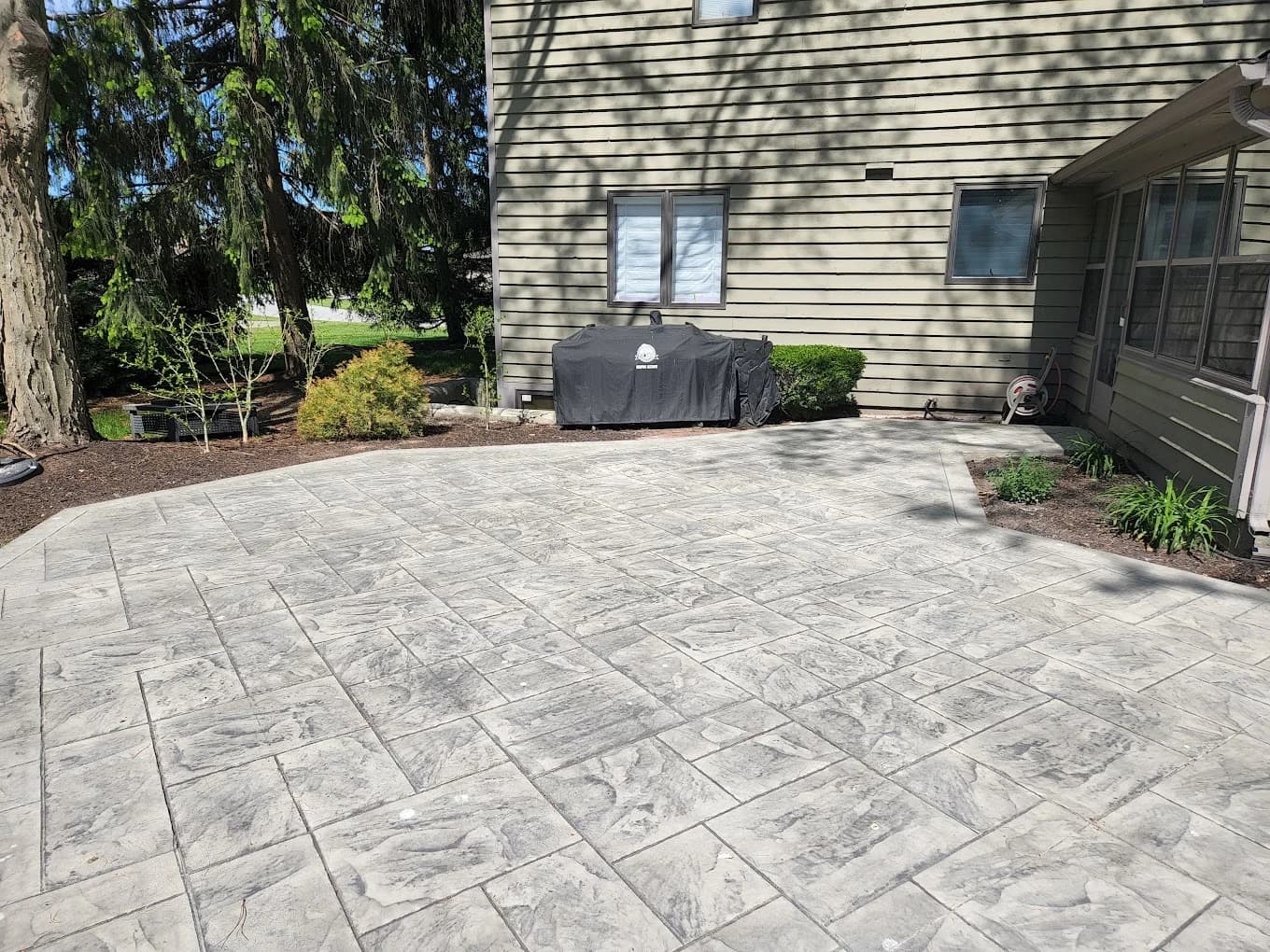
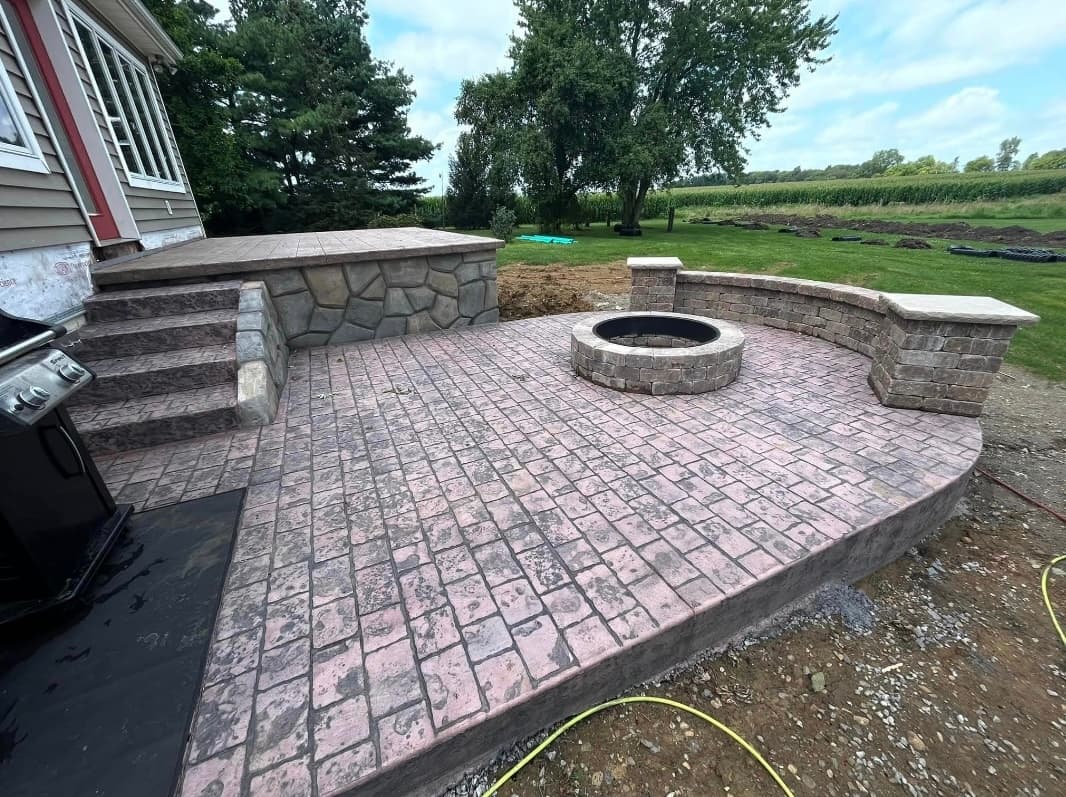
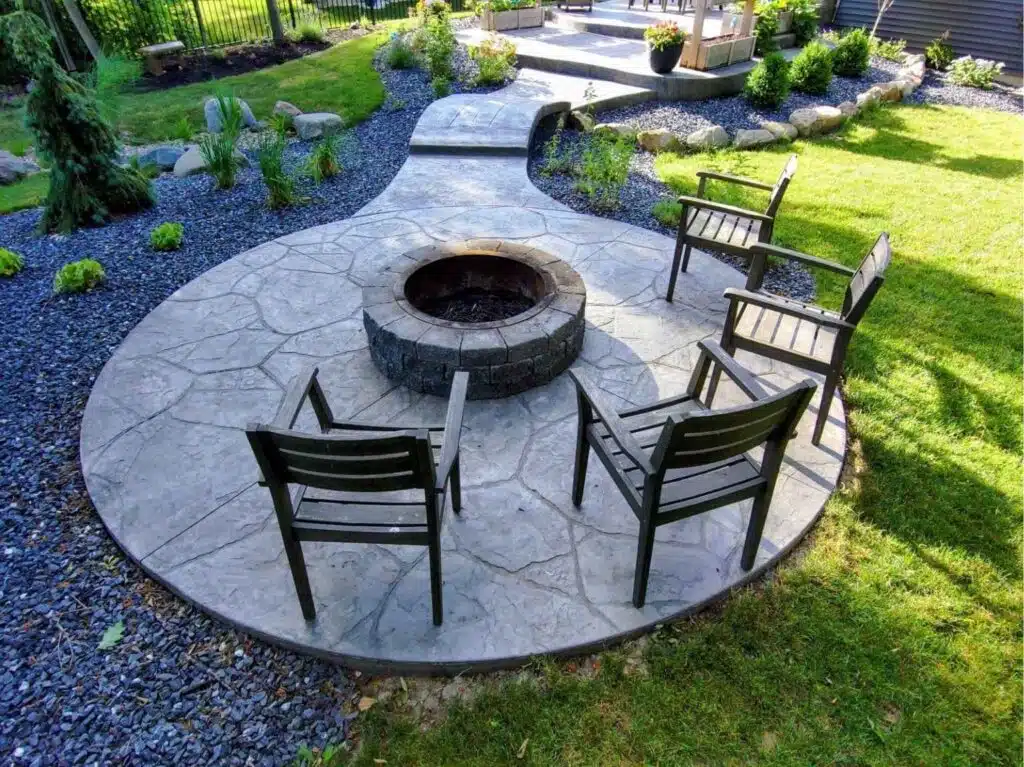
Good concrete is mostly invisible work: the grading, the base, the reinforcement, the joints. That's exactly the prep a lot of contractors rush. Learn more about our concrete services — driveways, patios, foundations, and stamped decorative work — or get a free estimate and we'll walk your site with you.
Get a free, no-obligation estimate from Northern Indiana's most trusted contractor.